“How often should a dog eat in a day?” is one of the most frequently asked queries by dog owners.Feeding your dog isn’t just about filling their belly; it’s a foundational pillar of their long-term health.
Feeding your dog the appropriate number of meals is crucial for their health, vitality, digestion, and lifespan regardless of whether you’ve newly acquired a puppy or are taking care of a senior dog.
The answer is not same for every dog.The ideal feeding frequency depends heavily on their life stage, breed size, and specific metabolic needs.As pet parents, we constantly wonder: Am I doing this right? Is twice a day actually enough, or am I leaving my dog starving?
This thorough guide will help you with:
- Current issues that all dog owners should be aware of
- The age-appropriate feeding schedule
- Feeding charts for puppies, adults, and elderly dogs
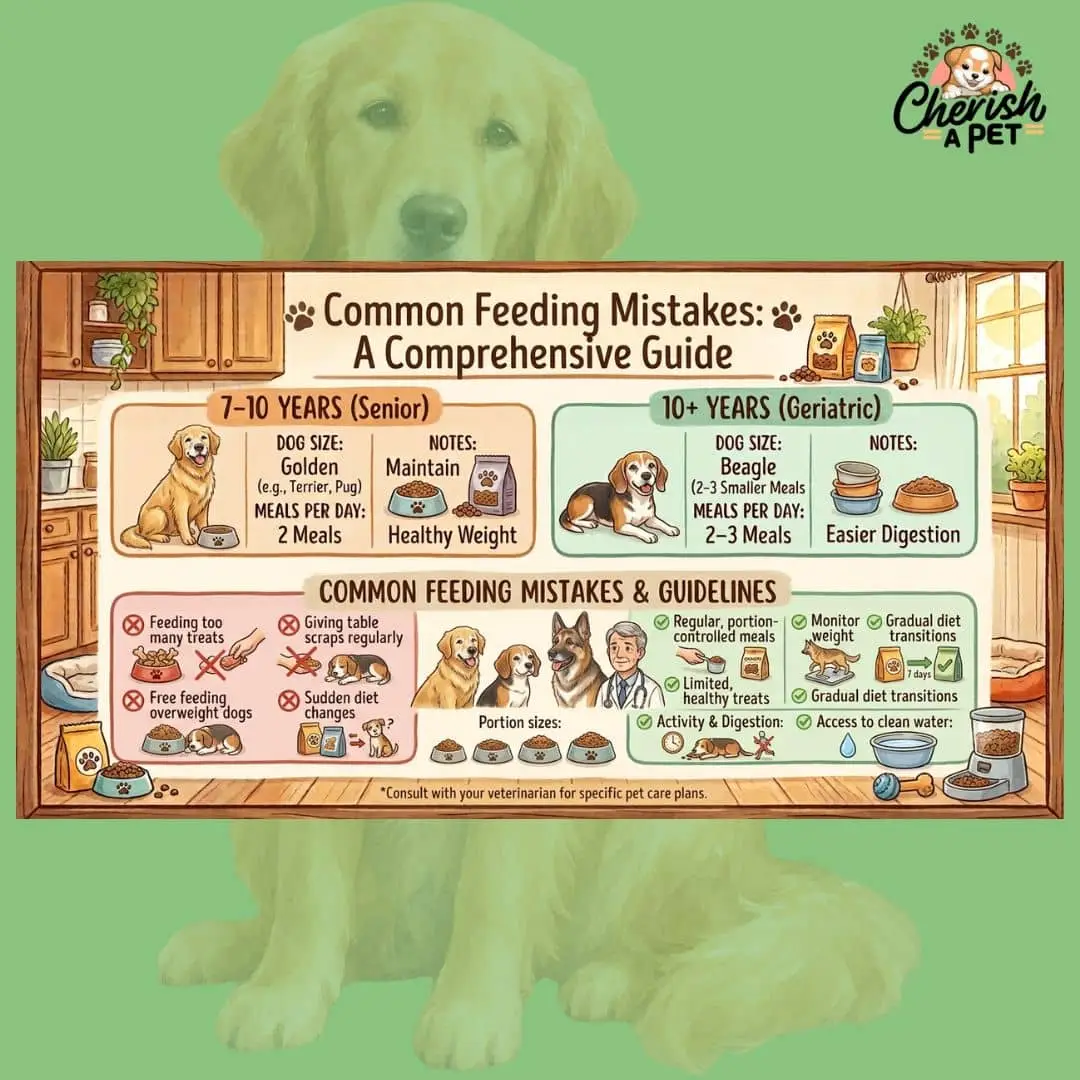
- Common feeding mistakes to avoid
- Frequently asked questions
- My own dog-parenting experiences
- Professional advice for sustaining a healthy eating schedule
Latest Perspectives In Canine Nutrition
If you’ve browsed pet forums or talked to other dog parents recently, you’ve likely noticed that canine nutrition advice is shifting. Two major trends are dominating the conversation right now:
- The Intermittent Fasting/Once-a-Day Debate: According to a recent large-scale research by the Companion Dog Longevity Project, older dogs fed only once a day performed better on cognitive tests and were less likely to develop kidney and orthopedic problems. Your furry friend will also have better dental health and will be less prone to the risks involed with obese condition. However,the majority of veterinarians still advise being cautious, though. A buildup of bile can result in upset stomachs and vomiting in many dogs after a 24-hour wait. So most recommended advice is to go for Two meals a day approach for their overall satiety. When food enters the small intestine, the stomach will empty in a few hours. An empty stomach starts to trigger a hunger response in the brain after eight to ten hours. It is therefore recommended that your dog eat at least two meals a day.
- The Anti-Grazing Movement: “Free-feeding” (leaving a bowl of food out all day) is rapidly falling out of favor. Vets emphasize that grazing makes it incredibly difficult to track sudden changes in appetite—which is often the very first sign of illness. It also dramatically increases the risk of canine obesity.
Age Appropriate Feeding Schedule
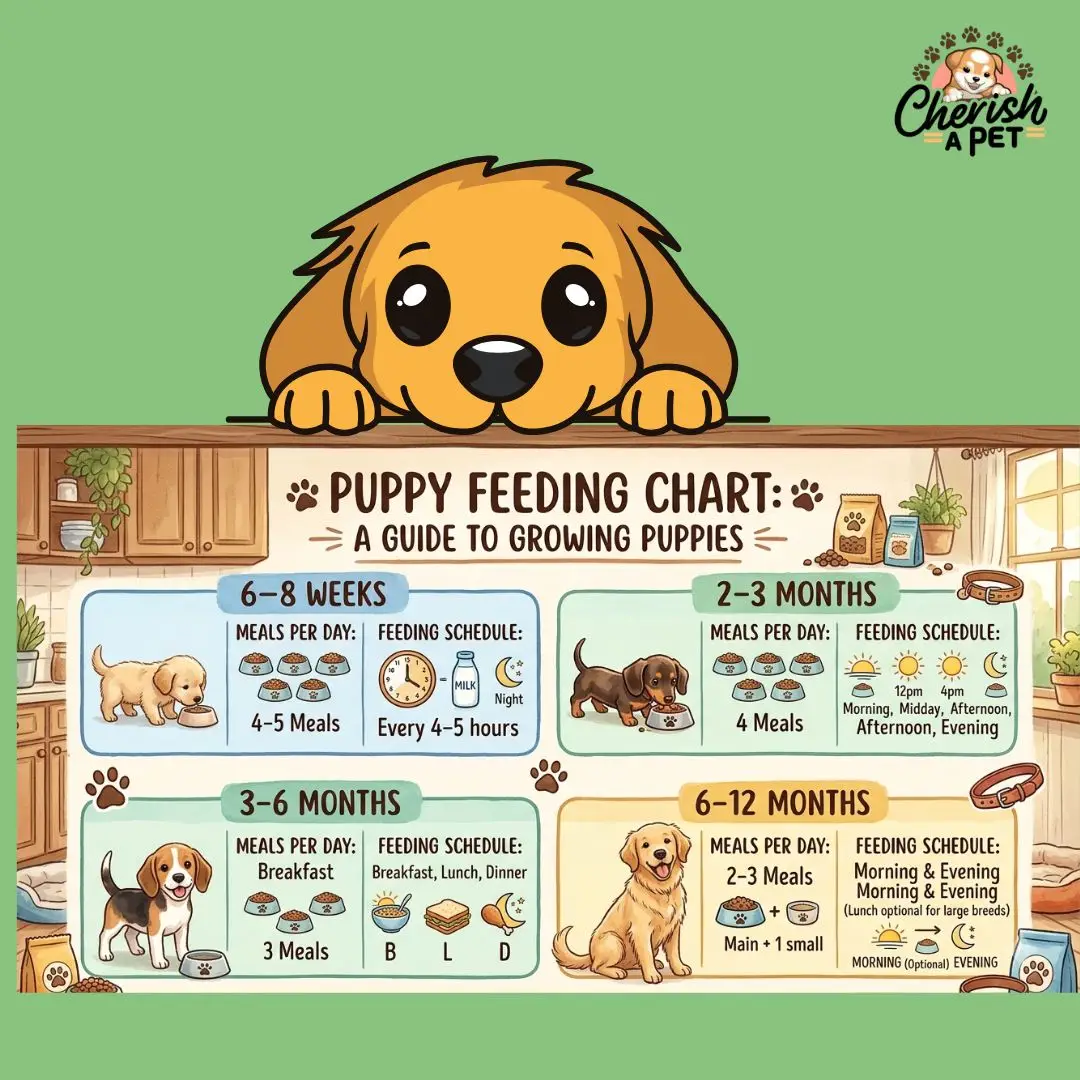
Feeding requirements of a dog changes as it takes growth. The propotions are to be set according to age and activity levels. For example a 6-12 months Golden Retriever puppy needs around 1400 calories per day.
Feeding Chart For A Puppy
Adult Feeding Chart
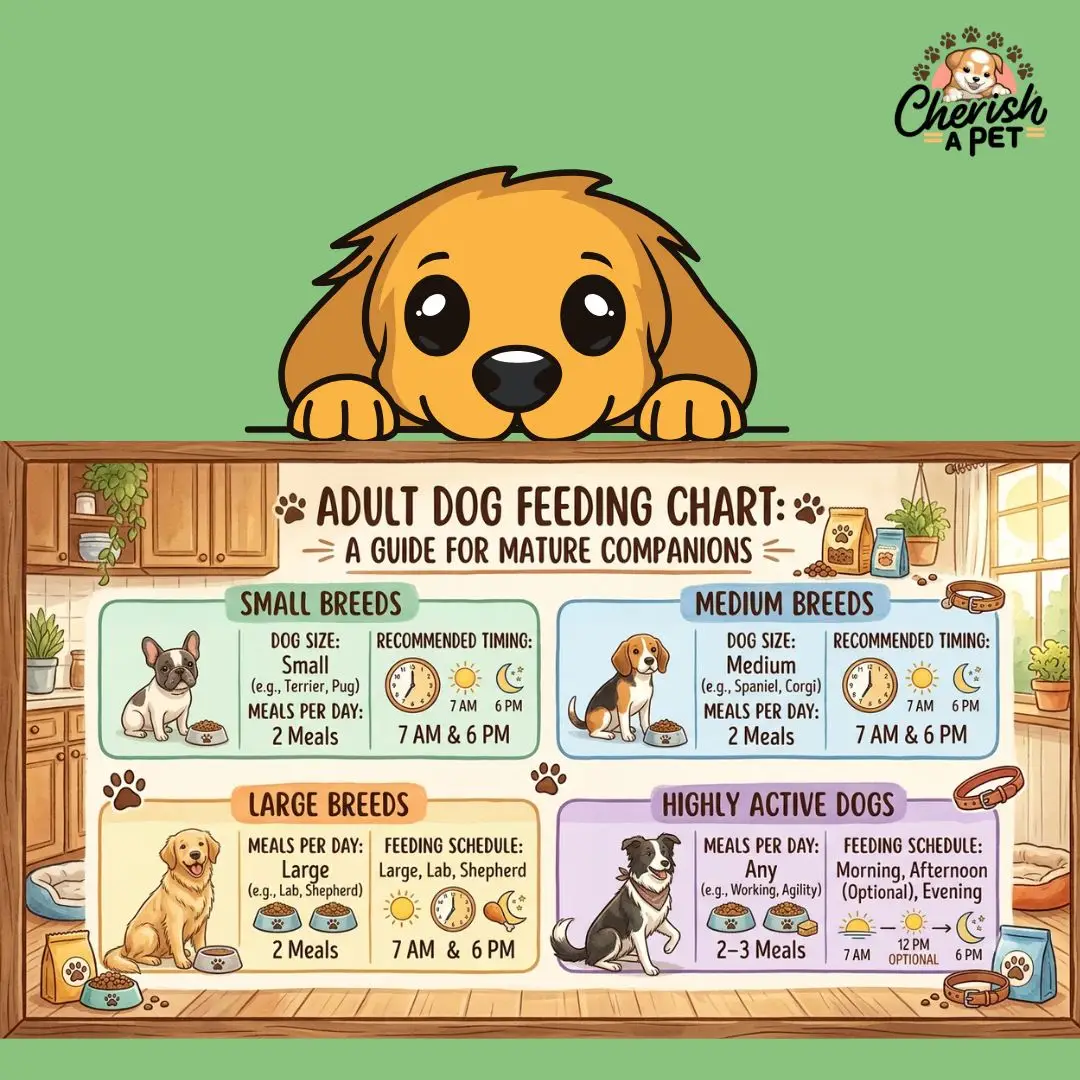
Balanced calorie control is mandatory for an adult dog. To maintain an ideal body condition score while preventing gastric discomfort from single heavy portions, its meal should be divided into two main meals. The calorie intake should be according to the breed size. For example an australian shepherd dog needs a proper balance of carbohydrates, proteins and vitamins.
Senior Dog Feeding Chart
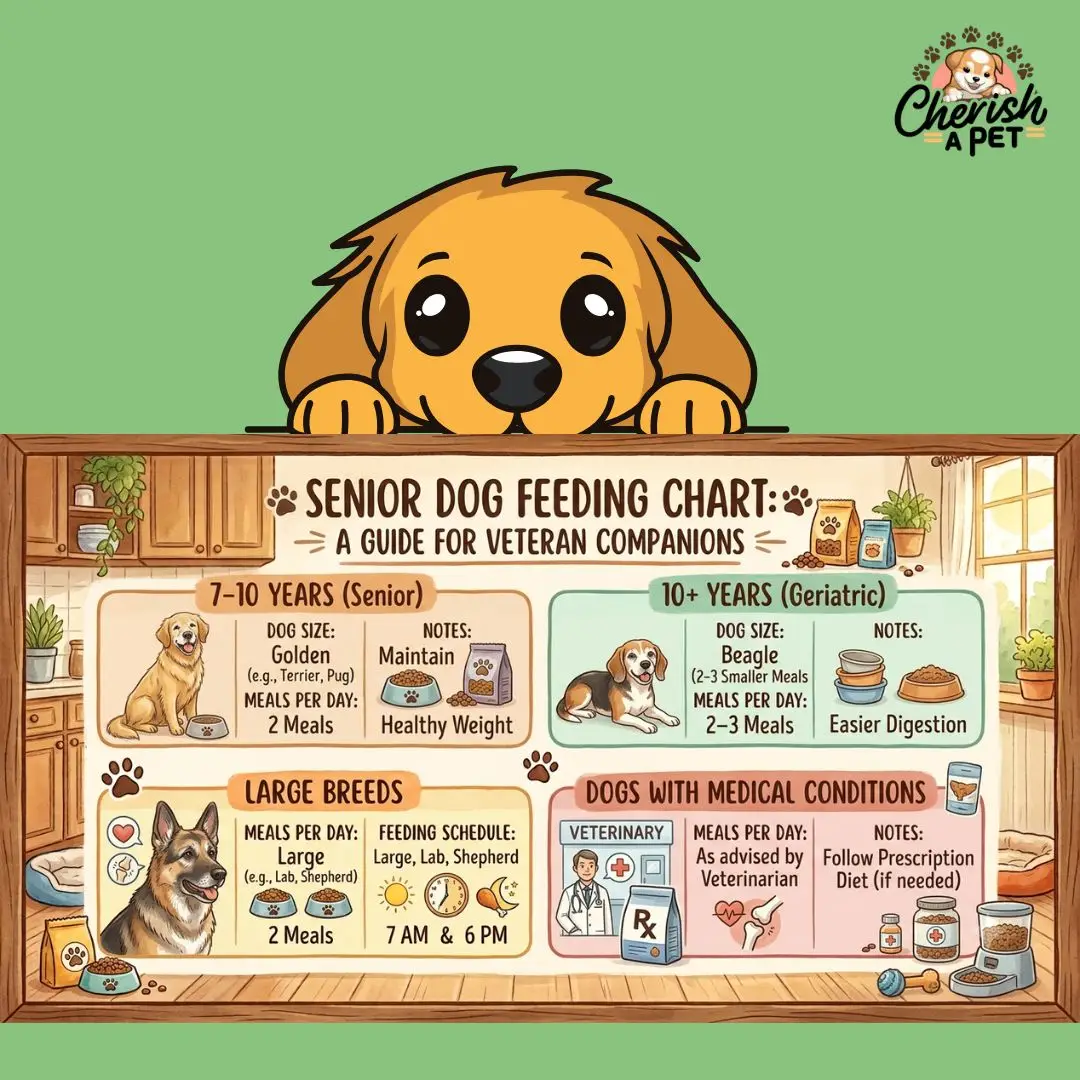
With ageing , metabolic rate of dogs declines so a pet parent must ensure that they are not overfeeding their furry companion. Overfeeding can lead them to obesity and other health related problems.
Some Myths Related To feeding Your Dog
Meat Is Best For Dogs As These Are Descended From Wolves
It is true that wolves are the ancestors of modern domestic dogs and that wolves primarily consume meat. It’s also true that dogs require meat for a species-appropriate diet, however feeding your dog exclusively meat is one of the most prevalent mistakes and is not species-appropriate. For instance, dogs can metabolize carbohydrates far more efficiently than wolves, demonstrating how domestic dogs have adapted to varied eating habits throughout thousands of years of coexisting with humans. Therefore, meat should be a part of your dog’s diet, but an excessive amount of meat may be harmful to the liver and kidneys. Achieving the proper ratio of protein, carbs, fat, fiber, minerals, and vitamins is also important.
Grain Is Not Good For Dogs
Dogs eat primarily meat but grain is equally good for them as it contains fibre and proteins.
Barf Is Healtheir For Dogs
There is no scientific proof that BARF (Bones and Raw Food or Biologically Appropriate Raw Food) is generally healthier for dogs. A raw food diet is not suitable for every dog, just like any other diet. Furthermore, not all dogs enjoy eating their food uncooked. If the diet is high in protein, there is also a chance that the liver and kidneys will be overworked. Nine out of ten home-prepared BARF diets had varied degrees of nutritional inadequacies, according to study. The ratio of meat, offal, vegetables, fruit, and oils must be specifically customized to your dog’s demands in order for it to receive the nutrients it requires (modified according to age, breed, gender, etc.).
Tips For Setting A Feeding Schedule For Your Dog
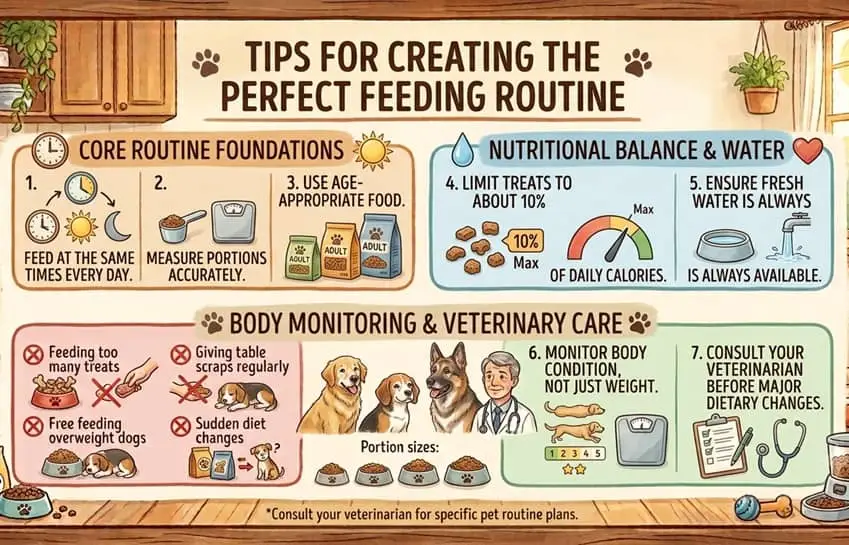
There are certain do’s and don’ts for feeding your pet in a right manner that means right proportions at right time.Some of the following tips are as under:
Frequently Asked Questions
Question: What would happen if I fed my adult dog just once a day?
Answer: Feeding once a day can result in an empty, hyper-acidic stomach, which can cause bile vomiting, despite some recent research suggesting possible cognitive benefits. Large breeds may also consume too quickly as a result, raising the possibility of potentially fatal bloating.
Question: Can puppy skip a meal?
Answer: It is strongly discouraged. Due to their small glycogen stores, puppies—especially toy and small breeds—are susceptible to hypoglycemia, or low blood sugar, which can result in seizures or lethargy if they miss a meal.
Question: How long should I wait between feeding my dog and exercising them?
Answer:Always wait at least 1 to 2 hours before or after vigorous exercise to feed your dog. One of the main causes of Gastric Dilatation-Volvulus (GDV), or bloat, is exercising on a full stomach.
Question: When should a dog eat its last meal of the day?
Answer: Ideally, at 7:00 or 8:00 p.m. This allows them enough time to finish their meal and take one last potty break before going to bed.
Question: Why does my elderly dog seem to be hungry all the time?
Answer:It’s not appropriate to dismiss an older dog’s increased appetite as “old age.” It may indicate underlying metabolic disorders such as hyperthyroidism, diabetes, or Cushing’s disease. A brief visit to the veterinarian is always advised.
Question: My dog gobbles their food in seconds. Should I split their meals more?
Answer: Investing in a puzzle toy or a slow-feeder dish is preferable to dividing their meals into more frequent pieces. It keeps them from swallowing too much air and compels them to chew.
Question: Should I adjust the frequency of feedings in the summer or winter?
Answer: Although the amount may vary, the frequency should normally remain constant. In the winter, dogs often expend more calories to be warm, but on hot summer days, they may naturally become less active and eat less.
My Own Parenting Experience
When I initially started learning about dog care, I saw that a lot of new owners thought a dog should constantly have food on hand. However, I noticed how much simpler it was to keep an eye on appetite, maintain a healthy weight, and create a regular daily routine after sticking to a regular twice-day meal plan.
Another finding from talking to seasoned dog owners is that when puppies’ daily food intake is split up into multiple smaller meals rather than one or two large ones, they frequently become calmer and have fewer stomach disturbances.
Conclusion
Due to their quick growth, puppies require meals two to four times a day. Dogs must feed twice a day at the same time every day to develop a pattern after they reach adulthood (12 to 16 months). Veterinarians advise feeding your dog as soon as you are able to take them for a stroll.
For advice on dog food and serving sizes, consult a veterinarian. Your dog’s age, weight, degree of exercise, and health issues will all affect these.